Healthcare in Bocas del Toro
What care you can get on Isla Colón, when people head to Changuinola, David or Panama City, and how to plan for emergencies, pharmacies and dental work from an island.
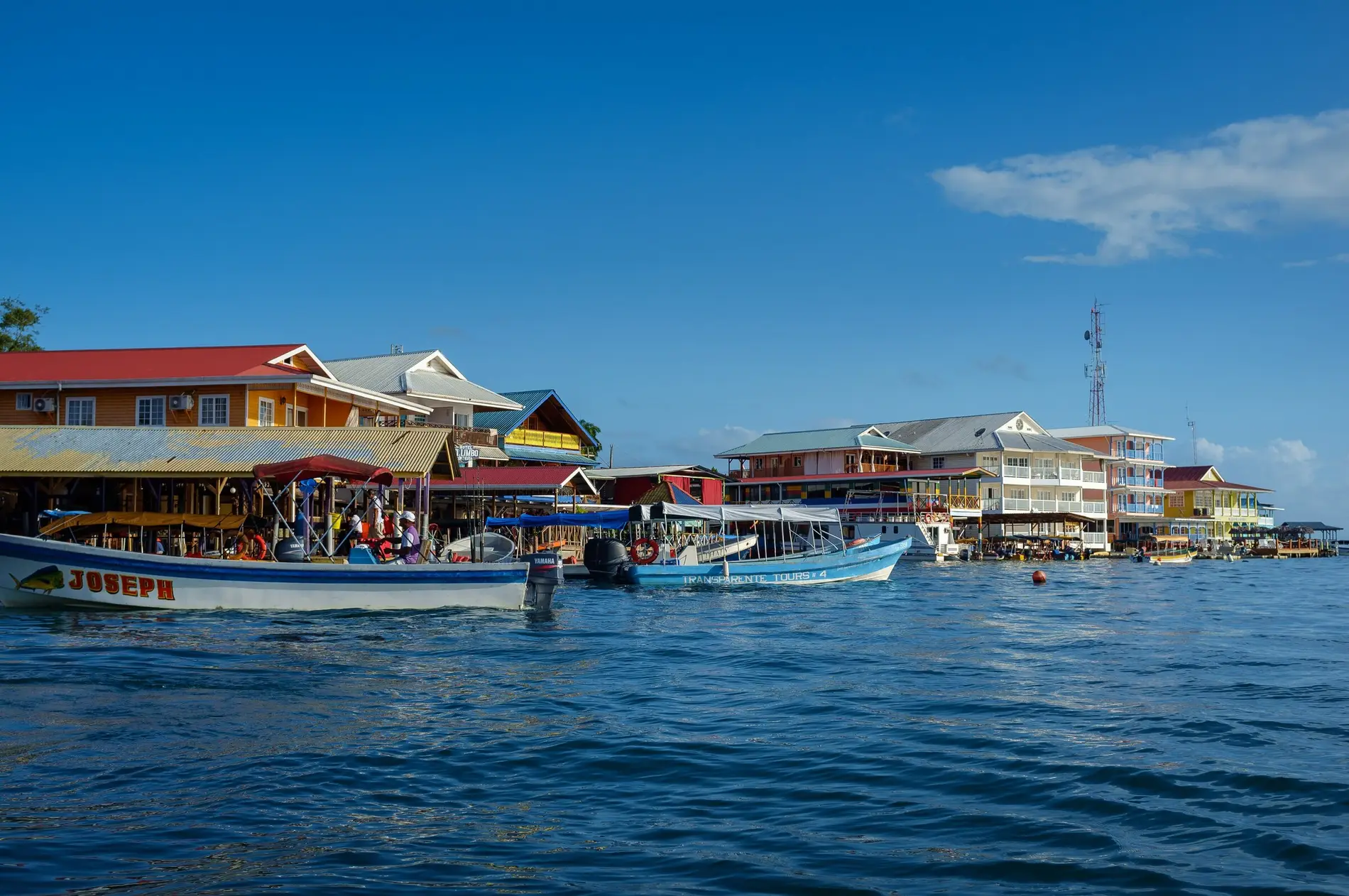
Most of the health problems you will have in Bocas are small ones: an infected coral cut, a stomach bug, a rash that will not go away in the humidity, a tooth that picks the worst week to crack. Those get handled in town. The bigger question, and the one worth sorting out before you need it, is what happens when the problem is not small, because the answer always involves a boat, a road or a plane.
This is a practical map of how care works when you live here, from the island outward.
Two public systems, plus private care
Public healthcare in Panama runs through two institutions. The Ministry of Health (MINSA) operates hospitals and health centers open to the general public. The Caja de Seguro Social (CSS) is the social security fund, and its hospitals and clinics serve people who pay into it: employees, people who make voluntary contributions, pensioners and their dependents. On top of that sits private care, from a doctor's office in Bocas Town to large private hospitals in David and Panama City.
Most foreigners who move here as retirees or remote workers are not CSS members, so in practice they use MINSA facilities for urgent problems and private doctors or private hospitals for everything else, paid out of pocket or through private insurance. If you are employed in Panama, ask your employer what your CSS registration covers.
What exists on Isla Colón
The main hospital on the island is the Hospital Guillermo Sánchez Borbón, a MINSA hospital on Isla Colón. It has an emergency department that runs around the clock, and it is where injuries, high fevers, dehydration and anything that cannot wait until morning go first. On the outer islands, public care is mostly smaller health posts and visiting outreach teams.
The island hospital can stabilize you, treat common problems, do basic lab work and admit you for straightforward care. What it generally cannot do is the specialist end of medicine: complex surgery, advanced imaging, cardiology, cancer care. Those cases get transferred. The province has also had stretches when supplies and staff ran short, for example during the road blockades and unrest of mid-2025, when MINSA flew medicines in and later announced a plan to repair damaged facilities, including the Isla Colón hospital.
Private general practitioners work in Bocas Town too. They come and go, so ask neighbors who they use now rather than trusting an old forum post. A good local doctor who knows you is worth a lot here, both for routine care and for telling you honestly when you need to go to the mainland.
When people go to Changuinola
Changuinola, on the mainland, has the Hospital Dr. Raúl Dávila Mena, the CSS hospital for the region. It offers more specialties than the island, runs a dialysis unit, and the CSS regularly holds weekend surgery drives there to reduce waiting lists. If you are a CSS member, this is likely where you will be referred.
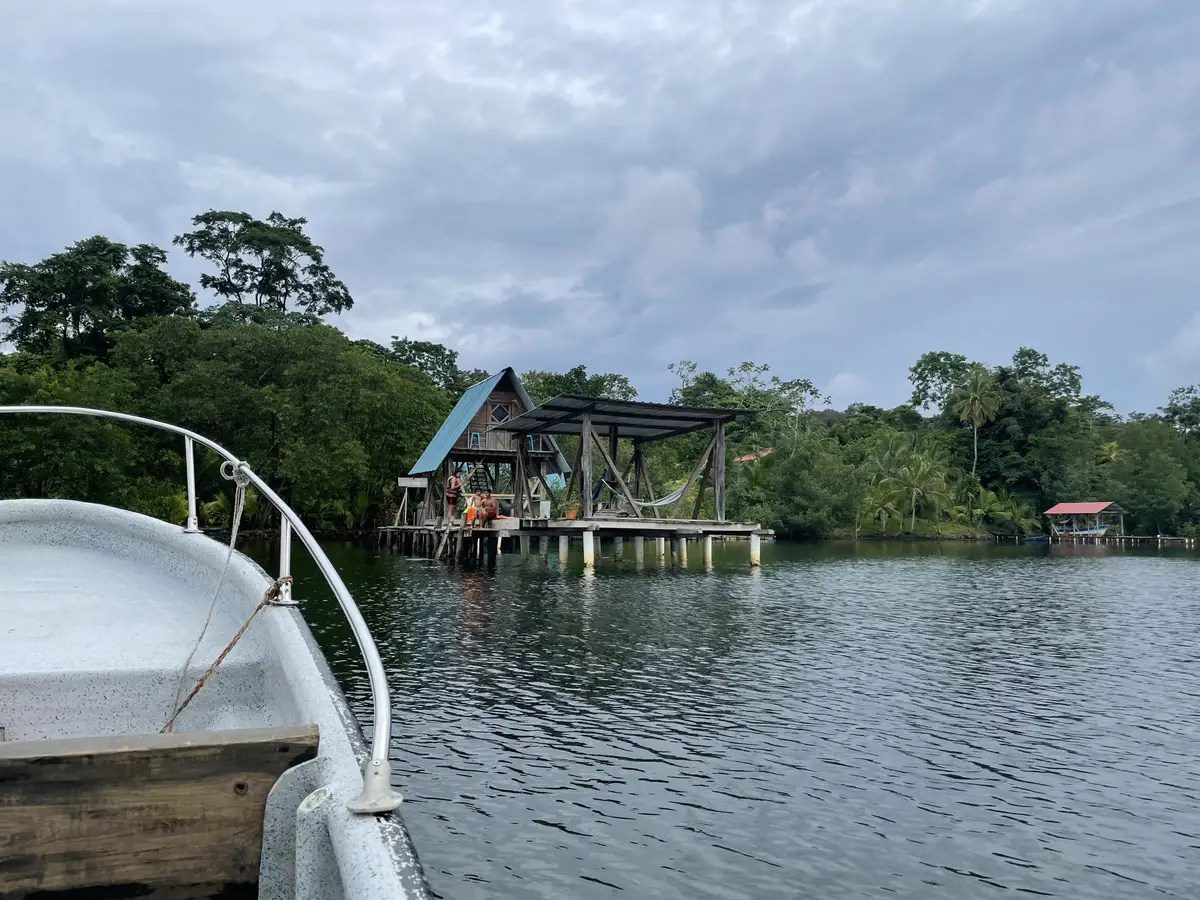
Getting there means a water taxi from Isla Colón to Almirante, then the road to Changuinola. That is easy on a calm weekday morning and much harder when the sea is rough, the road is blocked or it is the middle of the night.
David and Panama City
For planned specialist care, most people living in Bocas go to David, in Chiriquí, or to Panama City. David is the closest city with a range of public and private hospitals, specialists and imaging, and it is reachable overland via Almirante and the road across the mountains. Panama City has the country's largest private hospitals and the widest choice of specialists, and many people with private insurance end up there for anything serious.
Air Panama flies between the airport on Isla Colón and Albrook airport in Panama City, and the flight takes about an hour. For a scheduled appointment or a non-urgent procedure, flying is often simpler than the overland trip. Schedules change, so check the airline directly when you book.
Emergencies and getting off the island at night
The emergency number in Panama is 911. In Bocas, expect that help will take longer to arrive than you are used to, and that your first stop for almost anything will be the hospital on Isla Colón.
Night is the hard part. The public water taxis between Isla Colón and Almirante run during the day, with the last boats in the early evening, and scheduled flights do not help at 2 a.m. If you need to be moved to the mainland at night, that usually means a medical transfer arranged by the hospital, which in this province often means a boat. MINSA operates a water ambulance for transfers in the archipelago. For a flight out, you are looking at an air ambulance, which is costly and depends on weather and on someone authorizing it.
A few things make a real difference:
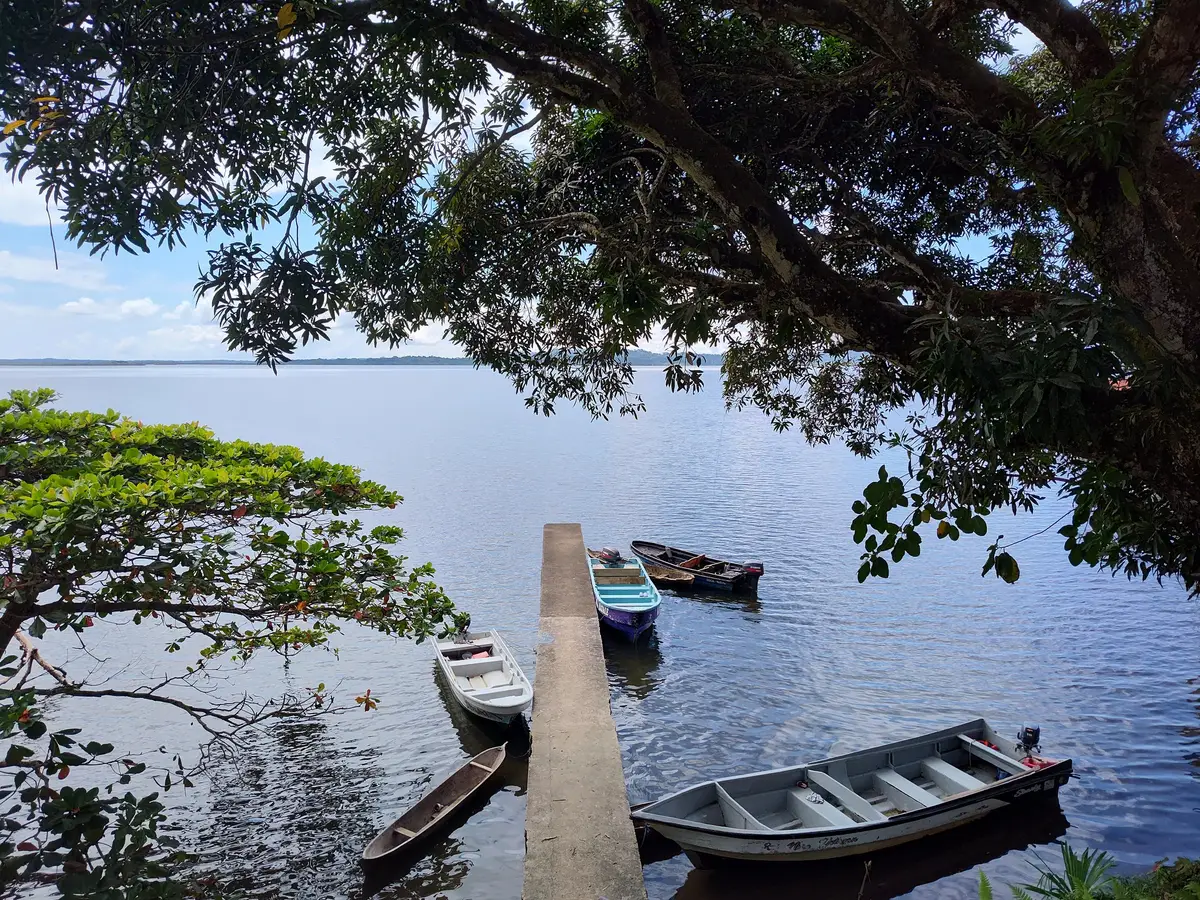
- Know your nearest dock and the boat drivers who will take a call after dark. If you live on another island or out on the water, this matters more than anything else on this list.
- Keep a written medical summary in Spanish and English: conditions, medications with generic names and doses, allergies, blood type, and an emergency contact. Hand it to whoever treats you.
- Save your insurer's emergency assistance number in your phone and on paper. Evacuations are usually authorized through that line, not by the hospital alone.
- Keep some cash and a card with room on it. A private transfer or air ambulance may need payment or a guarantee before it moves.
Pharmacies and prescriptions
Bocas Town has pharmacies that stock common medicines, and pharmacists are often a useful first stop for minor problems. Stock can be thin for less common drugs, and a specific brand or strength may need to be ordered from the mainland, which takes days.
If you take a regular medication, learn its generic name, since brand names differ between countries. Keep a buffer of at least a few weeks so a supply gap or a closed road does not leave you short, and carry a copy of your prescription when you travel. Rules on which drugs need a Panamanian prescription vary by medicine, so ask the pharmacist or a local doctor rather than assuming it works the way it did at home.
Dental care
There are dentists in Bocas Town who handle cleanings, fillings and simple extractions. For root canals, crowns, implants or orthodontics, many residents go to David or Panama City, where there is more equipment and more choice. Get a written treatment plan and price before you start, and ask how many visits it needs, because a procedure that needs three appointments a week apart means three trips if you do it off the island.
Dental work is often excluded or capped in health insurance plans, so check that line on your policy separately.
How this connects to insurance
Everything above points to the same two questions for your insurance: does it pay for good care once you reach a proper hospital, and does it pay to get you there. Evacuation and transfer cover matters more in Bocas than in most places people move to. We go through what to look for, including evacuation wording, pre-existing conditions and why Original Medicare usually does not help you here, in What Insurance Do You Need in Bocas del Toro?
A short checklist for your first month
- Find the hospital on Isla Colón before you need it, and know how you would get there from your house at night.
- Find a local doctor and a dentist through neighbors, and do a first visit while you are healthy.
- Write your medical summary and keep copies at home, on your phone and with someone you trust.
- Build a medication buffer and learn the generic names.
- Confirm with your insurer exactly how an evacuation from Bocas would be requested and paid for.
Last checked November 2026. Hospitals, services, boat schedules and flight routes change. Confirm current services with MINSA (minsa.gob.pa) or the CSS (css.gob.pa), and check boat and flight times with the operators before you travel.