Buying Land in Bocas: Titled Property vs Rights of Possession
Why so much land on the islands is sold as rights of possession instead of titled property, what Panama's constitution and coastal law say about it, and the checks to run before you pay anyone.
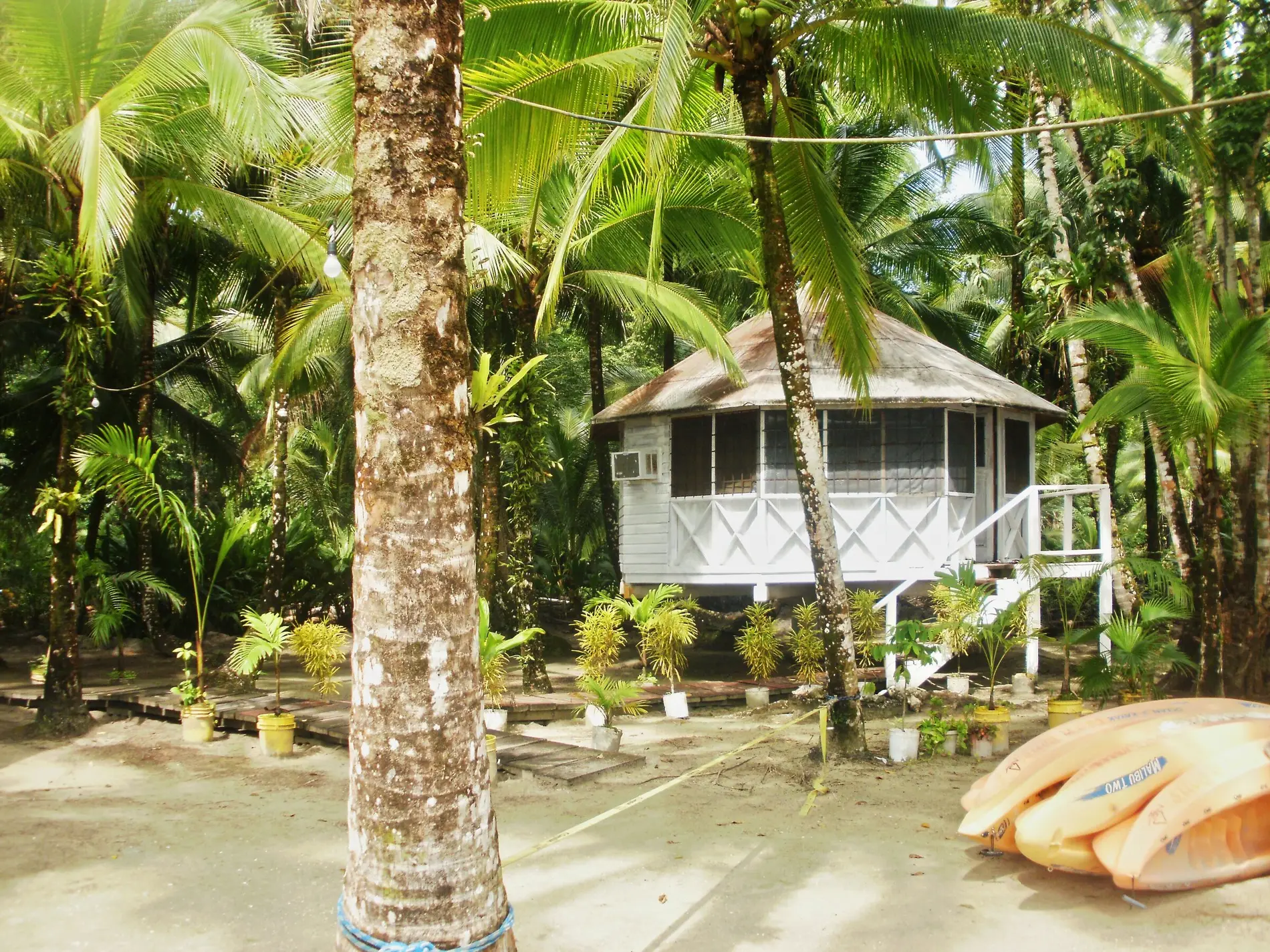
Sooner or later, everyone who stays in Bocas a while starts looking at land. A lot with a dock on a quiet bay, a few hectares of jungle on Bastimentos, a house on stilts someone is selling because they are moving home. Before you fall for any of them, ask one question: is it titled, or is it rights of possession? The answer changes what you are actually buying, how much risk you carry and how you check it.
This is a general guide, not legal advice. Land law in Panama is detailed, and island and coastal land has its own rules. Use it to ask better questions of a lawyer you hire yourself.
Two kinds of property
Titled property is registered in the Registro Público de Panamá as a finca with its own number. The registry shows who owns it, its boundaries and area, and any mortgages, liens or other entries against it. When you buy titled land, the sale is recorded there and you become the registered owner. That registry entry is what banks, courts and future buyers rely on.
Rights of possession (derechos posesorios, often shortened to ROP) are something else. The land belongs to the State, and the person selling to you has been occupying and using it. What changes hands is their claim based on that possession, not ownership. There is no finca number and no registry entry to search. The paperwork is usually a private agreement, sometimes backed by local records, a survey or a letter from a community authority. It can be perfectly real, and many families in Bocas have lived on possession land for generations. It is also much harder to verify, and it is weaker if someone else claims the same piece of ground.
Why so much island land is possession
Two things make Bocas different from, say, a lot in Boquete.
The first is the constitution. Article 291 says island territory (territorio insular) may only be transferred for specific development purposes, and only when the area is not considered strategic or reserved for government programs, and when it has been declared a special development area with legislation on how it is used, provided national security is guaranteed. Islands were never simply open for private titling the way most of the mainland is.
The second is coastal law. Ley 80 of 2009 governs recognizing possession rights and titling land in coastal zones and island territory. For island land, its article 13 allows transfer only when all of these hold: possession has been proven for more than five years, the land is used for specific development purposes, the area has been declared a special development zone, it has not been declared strategic or reserved for government programs, and the transfer does not affect public-use areas. In areas the State does declare strategic or reserved, no title can be granted, but existing possession rights are respected and the occupants can be given a renewable use concession of twenty years. In practice, titling on the islands has been slow and uneven, which is why so much of what is offered for sale here is still possession land.
The coastline itself is public
Whatever the paperwork says, nobody owns the beach. Ley 80 defines the playa as the strip between the high and low tide lines. On the Atlantic coast, which includes Bocas, it also defines a ribera de playa running 10 meters inland from the high tide line (22 meters on the Pacific). The law also requires easements that keep public access to beaches on coasts and islands. If a listing promises a private beach or a dock that is entirely yours, ask your lawyer exactly what part of that is private and what part is public domain or needs a permit.
What foreigners can and cannot buy
Foreigners can buy property in most of Panama, but there are specific exceptions. The best known is the border rule, also in Article 291: foreign individuals and companies, and Panamanian companies with foreign capital in whole or in part, cannot acquire national or private land within 10 kilometers of the border. Bocas del Toro province borders Costa Rica, so this matters for parts of the mainland near the border. Owning through a Panamanian company does not get around it if the money behind the company is foreign.
For the islands, the limits come from the island rules above rather than from your passport. Whether a particular lot can be titled, already has been, or can only be held as possession or under concession is a question about that piece of land, and only a proper search answers it.
Last checked November 2026 against the constitution and Ley 80 of 2009. Laws, regulations and how agencies apply them change. Confirm the current rules for a specific property with the Registro Público, ANATI (the Autoridad Nacional de Administración de Tierras) and your own lawyer before you sign anything.
Due diligence, step by step
- Hire your own lawyer first. Not the seller's, not the agent's friend, not someone who also represents the other side. Ask for an engagement letter that sets out what they will check and what they charge, and pay for the work. Whatever the checking costs, it is small next to losing the land.
- For titled land, search the Registro Público. Get the finca number from the seller and have your lawyer pull the registry record, called a certification or estudio registral. It shows the current registered owner, the area, and any mortgages, liens, seizures or pending notes. The name on the record must match the person selling, or the company selling and the people authorized to sign for it.
- For possession land, trace the chain. Ask for every document going back as far as it goes: earlier sale agreements, the original possessor's identity, any survey, any application already filed with ANATI, receipts, community or corregidor letters. Talk to the neighbors. Long, peaceful, visible use with no competing claims is what you are looking for. Ask whether anyone else, including family members of earlier owners, could say they hold a share.
- Get a survey and check the plano. A registered plano shows the approved boundaries. Have a licensed surveyor walk the land and compare the markers with the plano and with what the seller showed you. Boundary errors are common, and on the water they can put part of a lot inside the public beach strip.
- Ask ANATI about the land. ANATI handles titling and land administration. Your lawyer can check whether there is an open titling file, whether the area is reserved or protected, and whether anyone else has applied for the same land. Watch for overlaps with protected areas: parts of the archipelago, including Isla Bastimentos National Marine Park, are protected areas managed by MiAmbiente, and building there is restricted or not allowed.
- Check permits for anything over the water. Docks, ranchos on piles and seawalls usually need permits of their own. Ask what exists, what was approved and by whom.
- Check taxes and utilities. Ask for proof that property taxes are paid on titled land, and confirm how water and power reach the lot.
- Pay through a structure your lawyer controls. Use escrow or a payment schedule tied to steps: registration of the sale for titled land, signed and notarized transfer documents for possession land. Never hand over the full price in cash on a handshake.
Is possession land ever worth it?
Sometimes. People buy possession land knowingly, price it lower to reflect the risk, and live on it happily for years. The key word is knowingly. Assume you may never get title, that a bank will not lend against it, that reselling will be harder, and that if a dispute comes up you will be relying on proof of possession rather than a registry entry. If you can live with all of that, and your own lawyer has checked the chain and the boundaries, it can be a reasonable choice. If you are stretching your savings to buy, titled property is the safer ground.
Whichever you choose, budget for what comes after the purchase. A home here has to stand up to salt, rain and bugs, and the right insurance matters. Our guides to insurance in the tropics and solar power off the grid are a good next read.